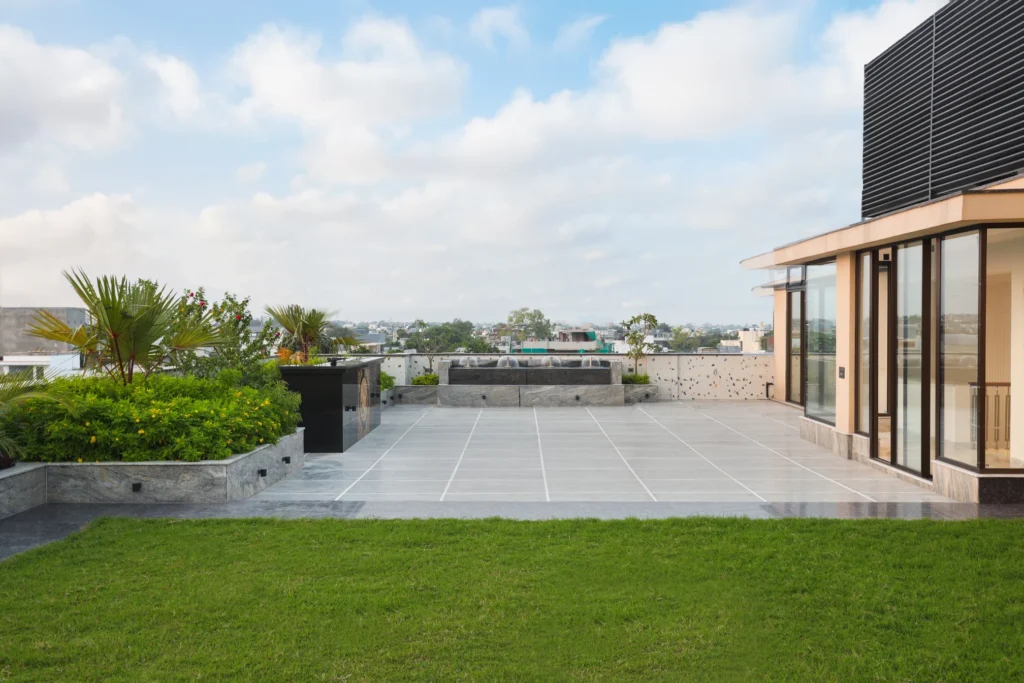
The world of interior photography is evolving rapidly, especially in the residential segment. In 2026, homeowners, designers, architects, and real estate developers are prioritizing high-quality visuals more than ever before. With digital platforms dominating buying decisions, residential interior photography has become a powerful branding and marketing tool.
Professionals like Ravidal Singh are leading this transformation by adopting modern techniques, advanced equipment, and innovative composition styles. If you want your residential projects to stand out in 2026, understanding the latest interior photography trends is essential.
Let’s explore the top 5 trends shaping residential interior photography this year.
1. Natural Light-Focused Interior Photography
In 2026, authenticity is everything. One of the biggest interior photography trends in residential spaces is the emphasis on natural light. Homebuyers and design enthusiasts prefer bright, airy, and naturally lit interiors.
Professional interior photography now prioritizes:
- Large window highlights
- Soft morning and golden hour lighting
- Balanced exposure between indoor and outdoor views
- Reduced artificial lighting dominance
Natural light creates warmth and realism, helping viewers emotionally connect with the space. Experts like Ravidal Singh carefully plan shoot timings to maximize daylight impact while maintaining clarity and detail.
2. Lifestyle-Driven Interior Photography
Residential interior photography in 2026 is no longer just about empty rooms. The focus has shifted toward storytelling and lifestyle representation.
Instead of sterile spaces, photographers now include subtle lifestyle elements such as:
- Open books on coffee tables
- Fresh flowers and plants
- Cozy throws and cushions
- Kitchen setups with minimal styling
This approach makes interior photography more relatable and inviting. Buyers and clients want to imagine themselves living in the space. Lifestyle-driven interior photography helps create that emotional narrative.
3. Vertical & Social Media-Optimized Formats
With social media continuing to dominate digital marketing, interior photography in 2026 is optimized for mobile viewing. Vertical compositions and Instagram-friendly framing are now essential.
Residential interior photography is often delivered in:
- 4:5 ratio for Instagram posts
- Vertical formats for reels and stories
- High-resolution web-optimized versions
- Print-ready formats for brochures
Professionals like Ravidal Singh understand that modern interior photography must perform across multiple platforms while maintaining premium quality.
4. Ultra-HD & AI-Enhanced Editing
Technology has significantly upgraded interior photography standards. In 2026, ultra-HD 4K image quality is becoming the norm. Buyers expect crisp details that clearly showcase textures, materials, and finishes.
AI-assisted editing tools are also improving efficiency and precision. Modern interior photography editing includes:
- Accurate perspective correction
- Balanced HDR blending
- Natural color grading
- Realistic shadow and highlight adjustments
However, realism remains key. Over-processed images reduce credibility. Experienced professionals like Ravidal Singh focus on clean, authentic interior photography edits that maintain the integrity of the design.
5. Sustainable & Earthy Aesthetic Focus
Sustainability continues to influence residential design trends in 2026. As a result, interior photography now emphasizes eco-friendly elements such as:
- Wooden textures
- Natural stone finishes
- Indoor plants
- Earth-toned palettes
- Energy-efficient lighting
Interior photography that highlights sustainable features adds value and aligns with modern buyer preferences. This trend reflects a shift toward conscious living and responsible design representation.
Why These Trends Matter for Residential Branding
In today’s competitive housing market, interior photography plays a major role in influencing decisions. Whether for architects, designers, or real estate developers, adopting 2026 residential interior photography trends offers several advantages:
- Increased online engagement
- Higher property inquiry rates
- Stronger brand credibility
- Better SEO performance
- Improved social media reach
Collaborating with experienced photographers like Ravidal Singh ensures that residential interior photography aligns with both design excellence and marketing strategy.
How to Prepare for a 2026 Residential Interior Photography Shoot
To get the best results, follow these preparation tips:
- Declutter and clean all spaces thoroughly.
- Arrange décor thoughtfully but avoid overcrowding.
- Maximize natural light by opening curtains and blinds.
- Turn on accent lighting for warmth.
- Communicate your design highlights to the photographer.
Professional interior photography depends on both preparation and technical execution.
Frequently Asked Questions (FAQ)
1. Why is interior photography important for residential properties in 2026?
Interior photography enhances online listings, improves engagement, and helps properties stand out in a competitive digital market.
2. How does professional interior photography increase property value?
High-quality interior photography improves perception, builds trust, and attracts more serious buyers.
3. What makes 2026 residential interior photography different from previous years?
The focus is on natural light, lifestyle storytelling, vertical formats, ultra-HD clarity, and sustainable design highlights.
4. Can smartphone cameras replace professional interior photography?
While smartphone cameras have improved, professional interior photography offers superior lighting control, composition accuracy, and editing quality.
5. Why choose experts like Ravidal Singh for residential interior photography?
Professionals bring technical precision, creative vision, and modern editing expertise that elevate residential interior photography to premium standards.
Final Thoughts
The residential design industry is becoming increasingly visual and digitally driven. In 2026, interior photography is more than just documentation—it’s strategic marketing and branding.
From natural lighting and lifestyle storytelling to ultra-HD editing and sustainable design focus, staying updated with the latest interior photography trends ensures your projects remain competitive and appealing.
By working with experienced professionals like Ravidal Singh, you can ensure that your residential interior photography reflects quality, authenticity, and modern appeal—helping your brand grow stronger in today’s dynamic market.
Follow us on Instagram