Architecture is a visual discipline where design, structure, materials, proportion, light, and space work together to create a complete experience. For an architecture firm, successfully communicating that experience is just as important as creating the project itself.
Professional photography gives architecture firms a powerful way to document completed buildings and present their design work to prospective clients, publications, collaborators, developers, and the wider architectural community.
A photographer for architecture firms understands that architectural photography requires more than simply taking pictures of a building. It involves careful consideration of perspective, composition, lighting, materials, geometry, context, and visual storytelling.
For architects, interior designers, builders, developers, and design studios, professionally photographed projects can become valuable long-term assets for portfolios, websites, social media, brochures, proposals, presentations, publications, and marketing campaigns.
Ravidal Singh provides professional architecture and interior photography services focused on presenting buildings and designed spaces through thoughtful composition, lighting, architectural perspective, and detailed visual storytelling.
For photography enquiries and project bookings, contact Ravidal Singh at 8287459403.
What Does a Photographer for Architecture Firms Do?
A photographer for architecture firms specializes in creating professional photographs that communicate the design intent and character of architectural projects.
The photography process may cover:
- Building exteriors
- Interior architecture
- Residential projects
- Luxury homes
- Commercial buildings
- Corporate offices
- Hotels
- Restaurants
- Retail spaces
- Institutional buildings
- Landscaping
- Architectural details
- Materials and finishes
The photographer studies the project before selecting viewpoints and compositions.
The objective is to create a collection of photographs that works together as a coherent visual story.
Why Architecture Firms Need Professional Photography
Architecture firms invest considerable time and resources into designing projects. Once construction is complete, professional photography helps communicate the results.
1. Build a Strong Portfolio
An architecture firm’s portfolio is often the first place prospective clients look when evaluating its work.
Professional photographs can make completed projects easier to understand and visually compare.
2. Showcase Design Intent
A building can look very different depending on the angle, time of day, weather, and lighting.
Professional photography can highlight the design elements that define the project.
3. Strengthen Website Content
High-quality project photography can improve the visual presentation of an architecture firm’s website.
4. Support Marketing
Architectural images can be used in brochures, proposals, advertisements, presentations, social media, and other marketing materials.
5. Document Completed Work
Professional photographs create a lasting visual record of architectural projects.
What Types of Projects Can Be Photographed?
An experienced architectural photographer can work across a wide range of projects.
Residential Architecture
Private homes, villas, apartments, penthouses, and residential developments can be photographed from both exterior and interior perspectives.
Commercial Architecture
Office buildings, commercial developments, retail spaces, and corporate facilities require photographs that communicate design as well as functionality.
Hospitality Projects
Hotels, resorts, restaurants, cafés, clubs, and hospitality properties benefit from photography that captures both architecture and atmosphere.
Institutional Architecture
Schools, universities, healthcare facilities, cultural spaces, and other institutional buildings can be documented professionally.
Interior Architecture
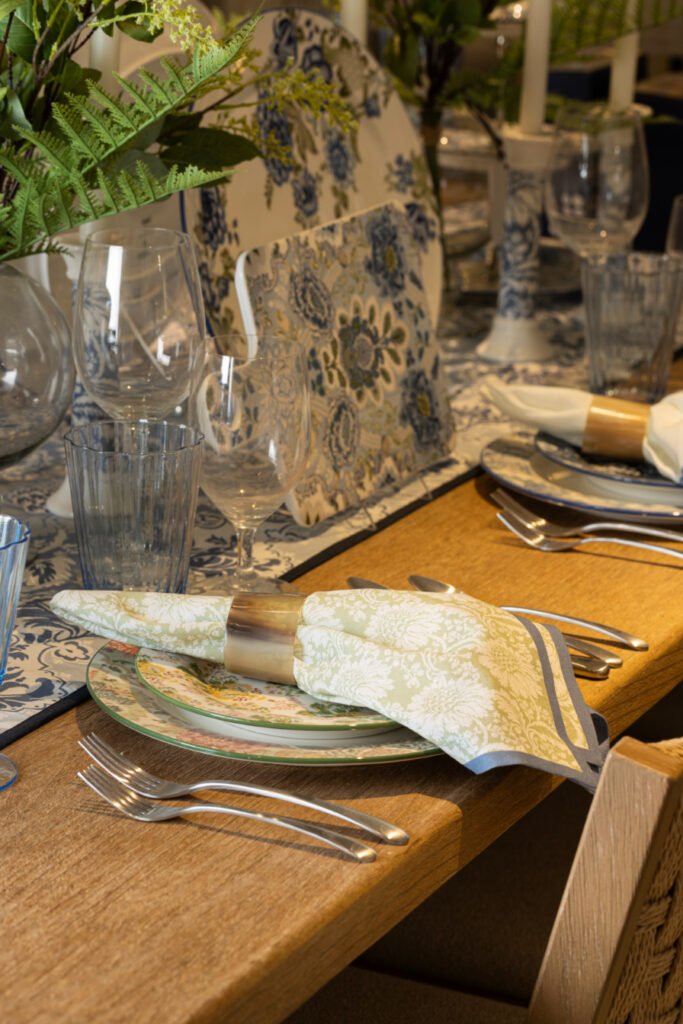
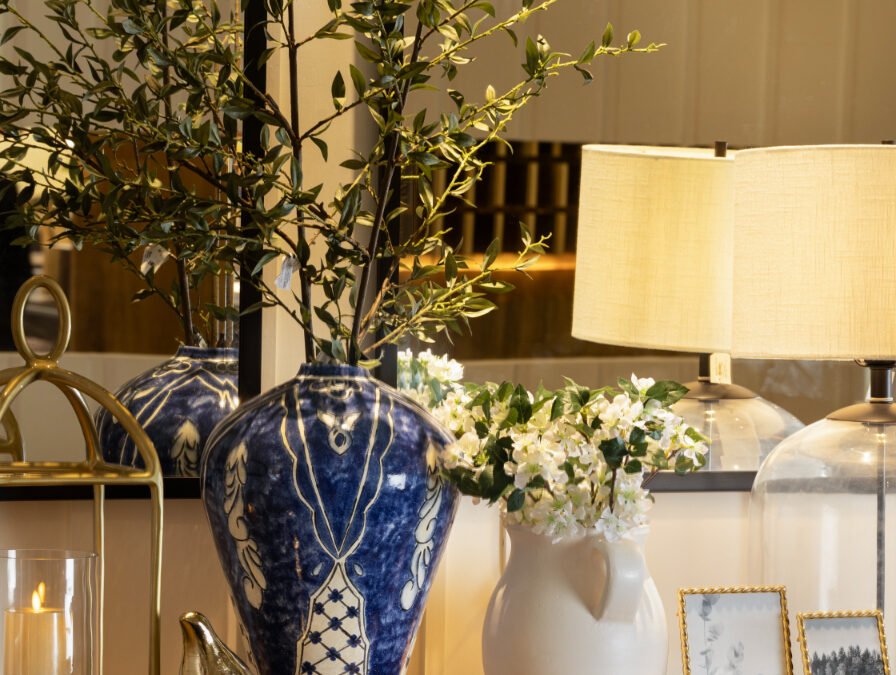
Some architecture projects focus heavily on interior environments. These require careful attention to spatial relationships, materials, furniture, lighting, and architectural details.
Exterior Architectural Photography
Exterior photographs often provide the first impression of an architectural project.
A professional photographer considers:
- Building geometry
- Façade materials
- Perspective
- Landscaping
- Surrounding environment
- Sky conditions
- Sun direction
- Shadows
- Entrance design
- Architectural details
Different times of day can produce dramatically different results.
Morning light may provide a softer appearance, while late-afternoon light can emphasize textures and depth.
Evening and blue-hour photography can showcase the relationship between the building’s exterior lighting and the surrounding environment.
Interior Photography for Architecture Firms
Interior architectural photography requires a different set of considerations.
The photographer may need to manage:
- Natural light
- Artificial lighting
- Reflections
- Furniture
- Glass
- Mirrors
- Tight spaces
- Architectural lines
- Materials
- Spatial relationships
Wide compositions can communicate the overall space, while medium and detail photographs can demonstrate craftsmanship and material selection.
The Importance of Perspective
Perspective is a critical element when selecting a photographer for architecture firms.
Architectural structures contain strong vertical and horizontal lines. Incorrect camera positioning can make buildings appear distorted or tilted.
A professional photographer considers camera height, lens selection, position, framing, and architectural geometry to create natural-looking images.
The objective is to maintain the integrity of the architecture while producing visually compelling photographs.
Lighting Techniques in Architectural Photography
Lighting can influence the mood and appearance of an architectural project.
Natural Light
Daylight can reveal materials, colors, textures, and architectural forms.
Golden Hour
Warm sunlight can create depth and emphasize building surfaces.
Blue Hour
Blue-hour photography can create a strong visual relationship between the evening sky and illuminated architecture.
Interior Lighting
Artificial lighting can help reveal the intended atmosphere of interior spaces.
The best approach depends on the project, orientation, weather, architecture, and desired visual style.
Architectural Detail Photography
Wide photographs communicate the overall structure, but detail photography helps demonstrate craftsmanship.
A professional session can capture:
- Stone
- Wood
- Concrete
- Metal
- Glass
- Joinery
- Door hardware
- Staircases
- Lighting fixtures
- Wall textures
- Furniture
- Custom architectural features
These photographs are particularly useful for architecture firms that want to communicate the thought and craftsmanship behind their projects.
Photography for Architecture Portfolio Development
A professional project portfolio should contain a balanced selection of images.
A typical project story might include:
- Hero exterior photograph
- Additional exterior views
- Contextual photographs
- Interior spaces
- Architectural details
- Material photographs
- Evening photographs where appropriate
This approach allows viewers to understand both the overall building and the smaller details.
How Architecture Firms Should Prepare for a Photography Shoot
Preparation can have a major impact on the final results.
Clean the Project
Remove dust, debris, construction materials, packaging, and temporary equipment.
Prepare Landscaping
Make sure gardens, paths, entrances, and outdoor areas are presentable.
Clean Glass and Reflective Surfaces
Windows, mirrors, polished stone, and metal can reveal dust and fingerprints.
Style Interiors
Arrange furniture and decorative elements carefully.
Check Lighting
Ensure important lighting fixtures are working properly.
Identify Important Features
Share information about signature architectural elements with the photographer before the shoot.
How to Choose a Photographer for Architecture Firms
When choosing a photographer for architecture firms, portfolio quality should be one of the first considerations.
Review Relevant Projects
Look for architecture and interior projects similar to yours.
Examine Composition
Check whether the photographer creates clear, balanced, and purposeful compositions.
Check Perspective
Architectural lines should appear natural and controlled.
Review Lighting
Look for balanced exposure and useful detail across highlights and shadows.
Evaluate Detail Photography
A strong architecture portfolio should include both wide views and close-up details.
Understand Deliverables
Discuss:
- Number of final photographs
- Image resolution
- Editing
- Delivery format
- Turnaround time
- Usage rights
- Additional images
- Travel requirements
Architecture Photography for Marketing
Professional photographs can support almost every stage of an architecture firm’s marketing strategy.
Website
Project photographs can form the foundation of an architecture portfolio.
Social Media
High-quality images provide valuable content for Instagram, LinkedIn, Pinterest, Facebook, and other platforms.
Proposals
Project photography can strengthen presentations and proposals for prospective clients.
Publications
Professional images can support submissions to architecture and design publications.
Awards
Photographs can be used for architectural award submissions where the relevant competition permits their use.
Brochures
Printed marketing materials can use professional photographs to communicate completed work.
Why Choose Ravidal Singh?
When selecting a photographer for architecture firms, technical photography skills should be combined with an understanding of architectural design.
Ravidal Singh focuses on professional architecture and interior photography with attention to composition, perspective, lighting, materials, structure, furniture, textures, and visual storytelling.
Every architectural project has its own design language. A luxury residence may require a different photographic approach from a commercial office, hotel, restaurant, retail space, or institutional building.
The photography process can therefore be adapted according to the project’s architecture, location, lighting conditions, key features, and intended use of the images.
Ravidal Singh’s services can be suitable for:
- Architecture firms
- Interior designers
- Architects
- Builders
- Developers
- property professionals
- Hospitality businesses
- Commercial brands
- Property owners
For architecture photography enquiries:
Ravidal Singh
Mobile: 8287459403
Post-Production for Architecture Photography
Professional architectural photography usually includes a post-production stage.
Editing may involve:
- Exposure correction
- Color refinement
- White balance
- Perspective correction
- Highlight and shadow adjustment
- Minor distraction removal
- Sharpening
- Cropping
The goal should be to improve the visual presentation while maintaining the authentic appearance of the project.
For architecture firms, accurate representation of materials, colors, proportions, and design features is particularly important.
How Professional Photography Builds an Architecture Brand
An architecture firm’s visual identity is strongly influenced by its project photography.
Consistent professional photographs can help create a recognizable visual language across:
- Website
- Portfolio
- Brochures
- Presentations
- Proposals
- Publications
- Awards submissions
- Digital advertising
A consistent photography style can make an architecture firm’s portfolio appear more cohesive and professional.
Architecture Photography
When selecting a photographer for architecture firms, consider Experience, Expertise, Authoritativeness, and Trustworthiness.
Experience helps photographers manage challenging lighting, reflective materials, complex structures, narrow interiors, and changing environmental conditions.
Expertise includes knowledge of cameras, lenses, lighting, perspective, composition, color, and post-production.
Authoritativeness can be demonstrated through a relevant portfolio and professional project experience.
Trustworthiness means presenting architectural work accurately and providing clear information about services, deliverables, usage rights, editing, and project timelines.
These principles can help architecture firms evaluate photography professionals more effectively.
Quick Answers
What does a photographer for architecture firms do?
A photographer for architecture firms creates professional photographs of buildings and architectural spaces, focusing on perspective, composition, lighting, materials, structure, interiors, and design details.
Why do architecture firms need professional photography?
Professional photographs help architecture firms showcase completed projects, strengthen portfolios, support marketing, communicate design ideas, and create content for websites and publications.
How much does architectural photography cost?
Pricing varies according to project size, location, number of views, photography duration, lighting requirements, editing, final image quantity, and usage rights.
Can architectural photographers photograph interiors?
Yes. Professional architectural photography can cover both exterior and interior spaces, including residential, commercial, hospitality, and institutional projects.
FAQ: Photographer for Architecture Firms
1. Why should an architecture firm hire a professional photographer?
Professional photography helps communicate architectural design, materials, spatial relationships, craftsmanship, and project quality in a polished visual format.
2. Can one photography session cover multiple areas?
Yes. A project can include exterior photographs, interiors, architectural details, landscaping, and contextual views depending on the agreed scope.
3. Can architecture photographs be used on social media?
Yes. Subject to the agreed usage rights, photographs can be used on Instagram, LinkedIn, Facebook, Pinterest, websites, brochures, presentations, and marketing campaigns.
4. Can a photographer capture luxury residential architecture?
Yes. Luxury villas, homes, apartments, and penthouses can be photographed to showcase architecture, materials, interiors, furniture, landscaping, and lighting.
5. How should an architecture project be prepared?
Clean the property, remove temporary equipment and clutter, prepare landscaping, clean reflective surfaces, style interiors, and identify important architectural features.
6. Does architecture photography include detail photographs?
Yes. Detail photographs can highlight materials, joinery, lighting, furniture, textures, structural elements, and craftsmanship.
7. Can architectural photographs be used for award submissions?
They can often be used for awards and competitions, but each organization may have specific submission and image-rights requirements that should be checked.
8. How can I contact Ravidal Singh?
For architecture and interior photography enquiries, project discussions, and bookings, contact Ravidal Singh at 8287459403.
Conclusion
A professional photographer for architecture firms can help transform completed architectural projects into compelling visual stories.
The best architectural photography combines technical precision with creative thinking. Perspective, composition, lighting, materials, architectural details, interiors, landscaping, and context all contribute to the final visual narrative.
For architecture firms, professional photography can provide long-term value across portfolios, websites, social media, proposals, brochures, publications, awards, and marketing campaigns.
Ravidal Singh provides professional architecture and interior photography focused on accurate perspective, thoughtful composition, lighting, materials, design details, and visual storytelling.
Whether you are documenting a luxury residence, commercial building, corporate office, hotel, restaurant, or institutional project, professional photography can help communicate the quality and character of your architectural work.
For architecture photography enquiries and bookings: Ravidal Singh | 8287459403
Follow us on Instagram