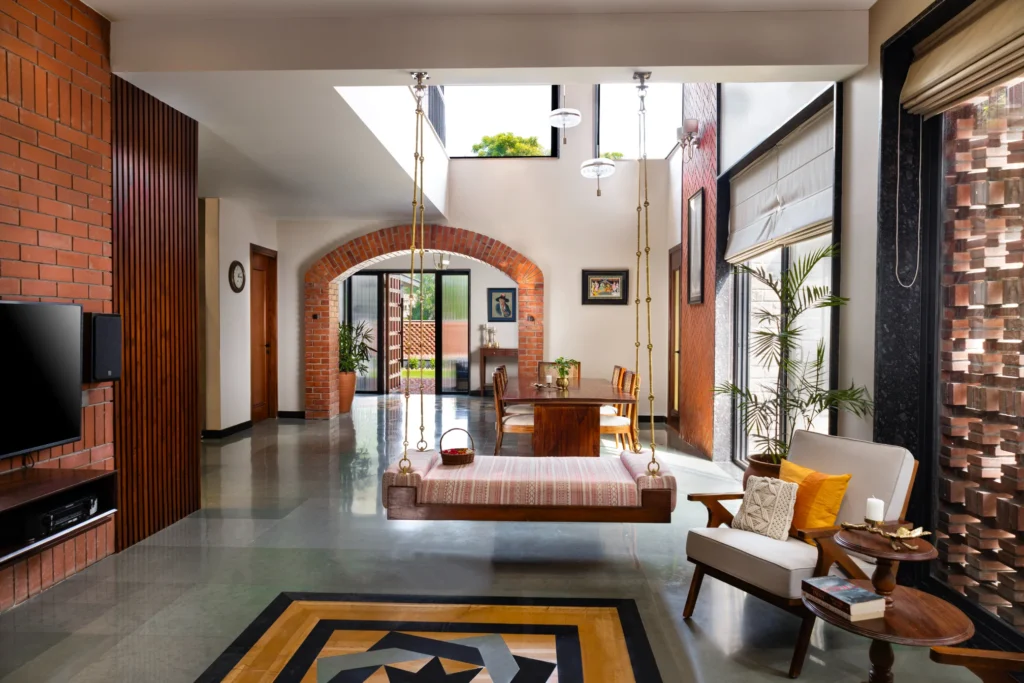
In interior photography, texture is the single detail that separates work that is impressive from captivating work. While furniture arrangement and balance shape a space, textures intimately define it. Consider velvet drapes, brick walls, or polished marble. These are all textures that a good photograph lets viewers perceive. The best interior photographers understand this.
For this reason, professional photographers, and the best interior photographers in Delhi NCR in particular, not only focus on composition and lighting but they also take proper note of capturing are mindful not only of textures that speak of the overall composition and lighting, but also of deeper narratives.
1. Master the Play of Light
Light reveals textures. Side lighting—be it natural or artificial—brings out the beauty of folds, grains, and other surfaces. For instance, the natural light over a stone wall can draw attention to every detail of the stones that would otherwise remain unnoticed.
2. Select Appropriate Lenses & Angles
Wide-angle lenses capture the general setup, but mid-range and prime lenses are better suited for capturing the details of fine fabrics, tiles, and wooden grains. Textures can be further accentuated by shooting at off-center angles, and this is what interior photographers follow.
3. Balance Highlights and Shadows
Excessive exposure to light removes the finer elements of an image. Effective exposure allows even a faint nuance of the image, like a fabric, matte paint, or linen curtain, to be captured.
4 Capturing Panels by Appropriately Using Depth of Focus
A reduced depth of panel can single out the texture of an object (like the stitching on a chair cushion), while a greater depth of focus can highlight multiple objects in the same room.
5. Editing with Finesse
The post-processing stage comes from the idea of refining the look rather than over-polishing it. Textures can be highlighted through minor adjustments to contrast and clarity, which also ensures the textures are not overly enhanced to the point of being artificial.
Ravi Dal Singh – Capturing Spaces That Speak
At Ravi Dal Singh Photography, we pride ourselves on creating thought-provoking and soul-stirring images that capture interwoven beauty in interior and architectural spaces. With more than 8 years of experience in residential, commercial, and editorial projects, the work is crafted with modern aesthetics and precise storytelling.
We work for architects, interior designers, real estate agents, and brands, applying color, light, and composition through visuals to best suit the clients.
Check out his portfolio at www.ravidalsingh.com
Instagram: Ravi Dal Singh I Interior Architectural Photographer (@ravidalsingh) • Instagram photos and videos
Inquiries: 8287459403
FAQs
Q1: How can textures be captured in low-light interiors?
Use of tripods facilitates longer exposure, low ISO helps prevent grain, and angling the light helps bring out textures.
Q2: What are the ideal fabrics–capturing camera settings?
Mid-range gaming apertures (f/5.6 – f/8) alongside well-balanced lighting make capturing fine details and sharpness in fabrics easy.
Q3: Is post-processing technology able to fine-tune textures?
It can, but only in a minimal manner. Textures can be enhanced to a great degree with proper clarity or contrast controls, but further editing might make a room seem fake.
Q4: What is the reason designers hire interior photographers in Delhi NCR?
Professionals have a talent to showcase the design intent, textures, and emotions of a space that helps in creating client interest.
Recommended Reads:
Luxury Lifestyle Campaigns — Photographing Aspirations, Not Just Products
How Advertising Photography Adapts to Short-Form Video Platforms
What Brands Expect from Top Photographers in 2025
The Role of Branding Colours in Advertising and Lifestyle Photography