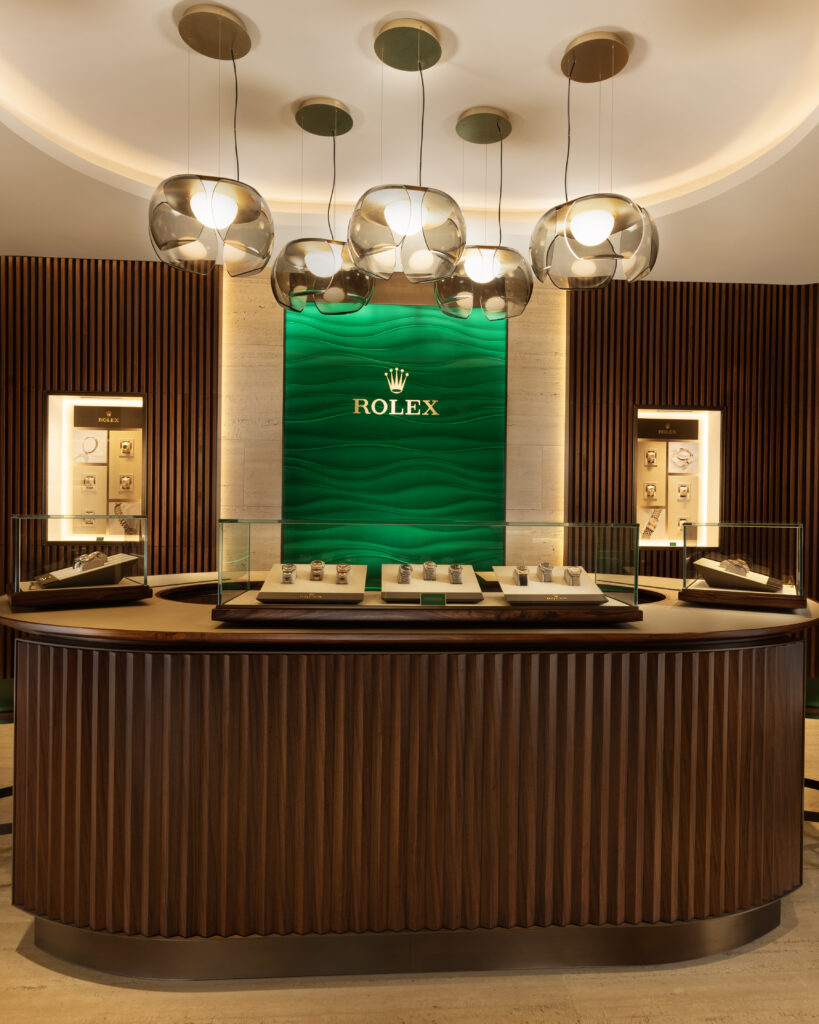
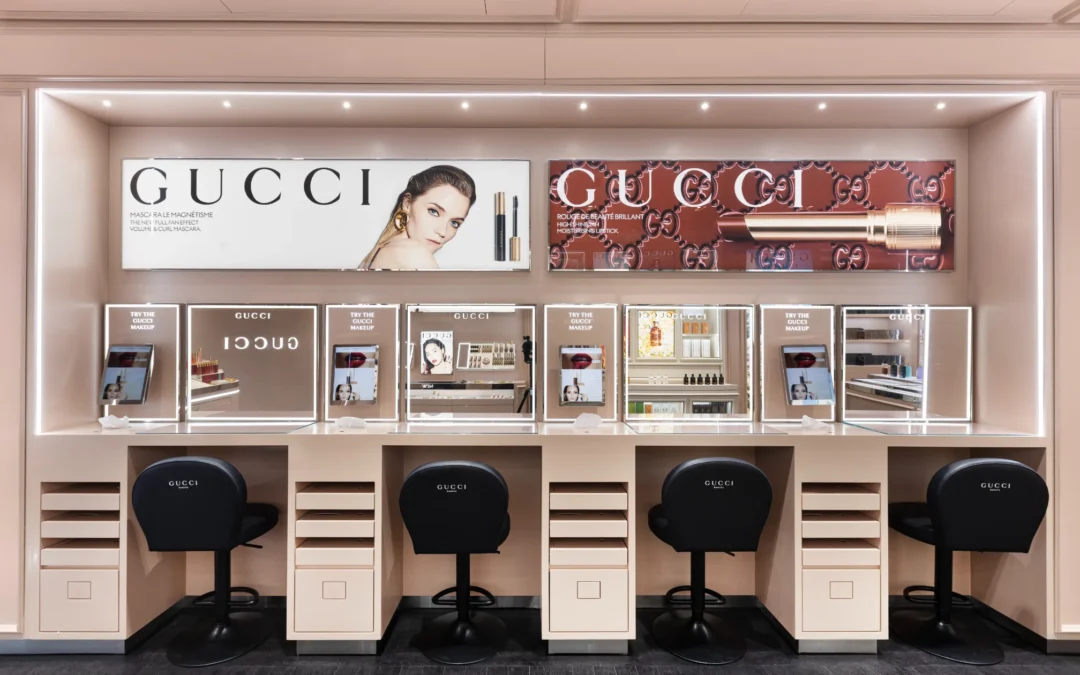
Luxury interiors are defined by more than expensive furniture or premium materials. The right combination of architecture, lighting, textures, colors, furniture, and styling creates a distinctive visual experience. Professional photography is essential for capturing these details and presenting a luxury property at its best.
A luxury home interior photographer specializes in photographing high-end residential spaces with an emphasis on composition, architectural details, natural and artificial lighting, textures, and overall design. The objective is not simply to document a room but to communicate the character, craftsmanship, and design philosophy behind the space.
For interior designers, architects, luxury homeowners, real estate professionals, and design studios, high-quality interior photography can become an important part of a professional portfolio and marketing strategy.
What Is a Luxury Home Interior Photographer?
A luxury home interior photographer is a professional who understands how to photograph sophisticated residential interiors while accurately representing their design and atmosphere.
Luxury homes often contain intricate details that require careful photographic treatment. Custom furniture, statement lighting, stone surfaces, artwork, woodwork, textiles, and architectural features can easily lose their visual impact if photographed incorrectly.
Professional interior photography focuses on:
- Architectural composition
- Lighting balance
- Perspective and geometry
- Furniture styling
- Material textures
- Color accuracy
- Detail photography
- Overall visual storytelling
The photographer’s role is to make the space visually compelling while maintaining an authentic representation of the interior.
Why Professional Luxury Interior Photography Matters
High-end interiors deserve photography that reflects their quality. Smartphone photographs or poorly lit images may fail to communicate the sophistication of a professionally designed home.
Professional photography can help:
Showcase Design Quality
Interior designers and architects invest significant time selecting materials, furniture, finishes, and lighting. Professional photographs allow these decisions to be presented clearly.
Build a Strong Portfolio
A well-produced portfolio helps designers and architects demonstrate their capabilities to prospective clients. Consistent photography also creates a stronger visual identity.
Support Marketing
Luxury interior images can be used across websites, brochures, social media, design publications, presentations, and advertising campaigns.
Capture Details
Premium interiors often contain subtle details that contribute significantly to the overall design. Close-up photographs can highlight craftsmanship, textures, fixtures, artwork, and materials.
Create an Emotional Connection
Good interior photography should help viewers imagine themselves experiencing the space. Composition, light, perspective, and styling can communicate atmosphere rather than simply showing dimensions.
What Does a Luxury Home Interior Photographer Capture?
Every property is different, so a professional photography session should be planned around its unique features.
Living Rooms
Living rooms are often the central visual space of a luxury home. Photographs may focus on furniture arrangements, architectural elements, lighting, artwork, and material combinations.
Wide-angle compositions can establish the overall layout, while detail shots can highlight distinctive design elements.
Bedrooms
Luxury bedrooms require careful attention to mood and lighting. Soft textures, custom headboards, lighting fixtures, bedside furniture, fabrics, and architectural details can all become important photographic subjects.
Kitchens
Modern luxury kitchens often feature premium cabinetry, stone countertops, designer appliances, statement lighting, and carefully selected finishes.
Photography should capture both functionality and visual design.
Bathrooms
Luxury bathrooms can include marble, natural stone, sophisticated fixtures, mirrors, lighting, and custom joinery. Proper lighting and perspective are particularly important in smaller spaces.
Dining Areas
Dining spaces often combine furniture, decorative lighting, artwork, and architectural details. A professional photographer can create compositions that emphasize the relationship between these elements.
Architectural Details
Staircases, ceilings, windows, wall treatments, built-in storage, doors, flooring, and custom woodwork can provide additional portfolio images.
Skills to Look for in a Luxury Home Interior Photographer
Choosing the right photographer requires more than checking whether they own professional equipment.
Understanding of Architecture
A photographer should understand architectural lines, symmetry, proportions, and perspective. This helps ensure that rooms look natural and visually balanced.
Lighting Expertise
Interior photography frequently involves challenging lighting conditions. A photographer needs to balance natural window light with interior lighting and, where appropriate, supplementary lighting.
Composition
Strong composition directs attention toward the most important elements of a room. Lines, shapes, negative space, symmetry, and visual hierarchy all contribute to the final image.
Attention to Detail
Luxury interiors often depend on small details. A professional should notice styling inconsistencies, distracting objects, reflections, and other elements before taking the photograph.
Post-Production Knowledge
Editing should enhance the image while maintaining realism. Professional post-production can help correct exposure, color balance, perspective, and minor visual distractions.
Natural Light vs. Artificial Light in Interior Photography
Lighting is one of the most important elements of luxury interior photography.
Natural daylight can create a bright and authentic appearance, particularly when a room has large windows. However, direct sunlight can sometimes create harsh highlights and deep shadows.
Artificial lighting can help illuminate darker areas and emphasize specific design features. In some situations, combining natural and artificial light provides a more balanced result.
The ideal approach depends on the architecture, window direction, time of day, interior lighting, and desired visual mood.
How a Professional Interior Photography Session Works
A successful photography session typically involves several stages.
1. Pre-Shoot Planning
Before the shoot, the photographer should understand the property, design concept, key spaces, intended usage of images, and required deliverables.
2. Styling and Preparation
Rooms should be carefully prepared before photography. Furniture may need minor adjustments, decorative objects can be repositioned, and unnecessary items should be removed.
3. Composition
The photographer evaluates multiple angles to determine which viewpoints best communicate the room.
4. Lighting
Exposure and lighting are adjusted to preserve details in both bright and dark areas.
5. Photography
The photographer captures wide establishing images as well as medium and detailed compositions.
6. Post-Production
Selected images are professionally processed to improve exposure, color consistency, perspective, and overall presentation while retaining the property’s authentic appearance.
Photography for Interior Designers and Architects
For designers and architects, professional interior photography can be an important business asset.
Completed projects represent the designer’s expertise and creative process. High-quality images allow these projects to become long-term portfolio assets.
Images can be used for:
- Website portfolios
- Instagram and social media
- Architecture and design publications
- Client presentations
- Marketing brochures
- Awards submissions
- Press releases
- Digital advertising
- Project case studies
Working with a consistent photographer can also help establish a recognizable visual identity across multiple projects.
How to Prepare a Luxury Home for Photography
Preparation can significantly improve the final photographs.
Declutter the space: Remove unnecessary objects, cables, packaging, and distracting items.
Style surfaces: Dining tables, kitchen counters, coffee tables, and shelves should have intentional but not excessive decoration.
Check lighting: Replace visibly damaged or mismatched bulbs where appropriate.
Clean reflective surfaces: Mirrors, glass, polished stone, and metallic surfaces can reveal dust and fingerprints.
Arrange furniture: Small adjustments to chairs, cushions, rugs, and accessories can improve composition.
Highlight signature features: Identify the property’s most distinctive architectural or design elements before the session.
Choosing the Right Photographer for a Luxury Home
When evaluating a luxury home interior photographer, review their portfolio carefully.
Look for:
- Consistent image quality
- Natural-looking colors
- Straight architectural lines
- Balanced exposure
- Strong compositions
- Detailed close-ups
- Appropriate use of lighting
- Experience with high-end interiors
It is also useful to discuss the intended purpose of the photographs. Images created for a design portfolio may require a different approach from photographs intended for luxury property marketing or editorial publication.
Why Ravidal Singh?
For professionals seeking a luxury home interior photographer, Ravidal Singh represents a photography-focused approach centered on presenting interiors with careful attention to composition, lighting, architectural details, and visual storytelling.
A strong interior photography project should communicate what makes a space distinctive rather than simply recording its appearance. By focusing on the relationship between architecture, furniture, materials, light, and styling, Ravidal Singh can be positioned as a professional photography brand for high-end residential interior projects.
For interior designers, architects, homeowners, and luxury property professionals, the objective is to create images that remain useful across portfolios, websites, social media, marketing campaigns, and professional presentations.
What Makes Interior Photography Professional?
From an experience and expertise perspective, effective interior photography requires an understanding of both photography and the spaces being photographed.
Experience helps photographers anticipate difficult lighting, reflective surfaces, tight spaces, and complex compositions.
Expertise involves knowledge of camera technique, perspective, lighting, composition, and post-production.
Authoritativeness is strengthened through a consistent professional portfolio, credible project presentation, and relevant industry work.
Trustworthiness means representing the property accurately rather than using excessive editing that creates an unrealistic impression.
For luxury properties, maintaining visual accuracy is particularly important because the photographs represent the quality of the actual space.
Quick Answers
What does a luxury home interior photographer do?
A luxury home interior photographer creates professional photographs of high-end residential interiors, focusing on architecture, furniture, lighting, materials, styling, and design details.
Why hire a professional interior photographer?
Professional photography helps communicate the quality and character of an interior more effectively than casual photographs. It can also strengthen portfolios and marketing materials.
What should I look for in an interior photographer?
Review their portfolio for composition, lighting, perspective, color accuracy, attention to detail, and experience photographing comparable interiors.
How should a luxury home be prepared for photography?
Clean and declutter the space, style furniture and surfaces, check lighting, clean reflective materials, and identify the property’s most important design features.
FAQ: Luxury Home Interior Photographer
1. How much does a luxury home interior photographer cost?
Photography pricing varies depending on the property’s size, number of rooms, shoot duration, location, editing requirements, and final image requirements. It is best to request a project-specific quotation.
2. How long does an interior photography shoot take?
The duration depends on the property and the number of photographs required. A smaller home may require a shorter session, while a large luxury residence with multiple detailed spaces can require considerably more time.
3. Can interior photographs be used for social media?
Yes. Professional interior photographs are suitable for websites, Instagram, Facebook, LinkedIn, brochures, portfolios, advertising, and other marketing channels, subject to the agreed usage rights.
4. Do luxury interior photographers use artificial lighting?
Many professional photographers use a combination of available light and supplementary lighting when necessary. The exact technique depends on the space and desired visual result.
5. Should the interior be professionally styled before photography?
Professional styling is not always necessary, but careful preparation can significantly improve the final photographs. Furniture placement, accessories, cleanliness, and visual balance should be checked before the shoot.
6. Can photographers remove unwanted objects during editing?
Minor visual distractions can sometimes be corrected during post-production. However, substantial changes should be discussed in advance because excessive editing can reduce the authenticity of the photographs.
7. Who needs a luxury home interior photographer?
Interior designers, architects, luxury homeowners, real estate professionals, builders, developers, hospitality brands, and design studios can benefit from professional high-end interior photography.
8. What makes luxury interior photography different?
Luxury interior photography focuses heavily on detail, lighting, composition, material textures, architecture, styling, and visual storytelling. The goal is to communicate the quality and character of the space.
Conclusion
A luxury home interior photographer does more than take pictures of beautiful rooms. Professional interior photography transforms architecture, furniture, materials, lighting, and styling into a visual story that communicates the character of a property.
For luxury homeowners, architects, interior designers, and property professionals, high-quality photography can become a valuable long-term marketing and portfolio asset.
From carefully planned compositions to balanced lighting and realistic post-production, every element contributes to the final result. With a thoughtful photography approach and attention to detail, Ravidal Singh can help present sophisticated residential interiors in a polished, professional, and visually engaging way.
Follow us on Instagram