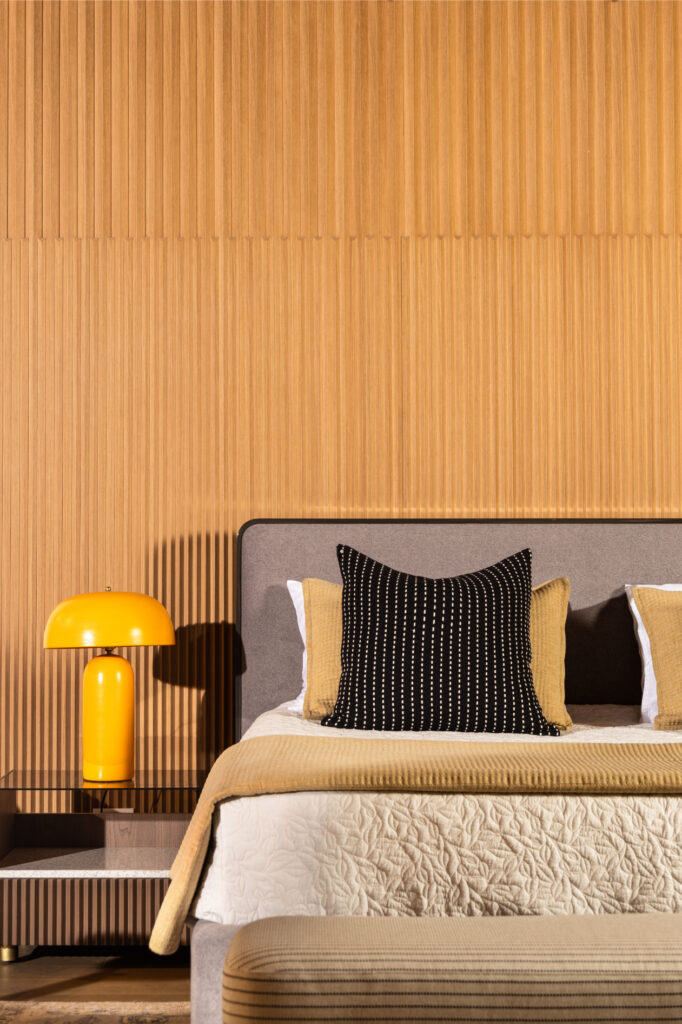
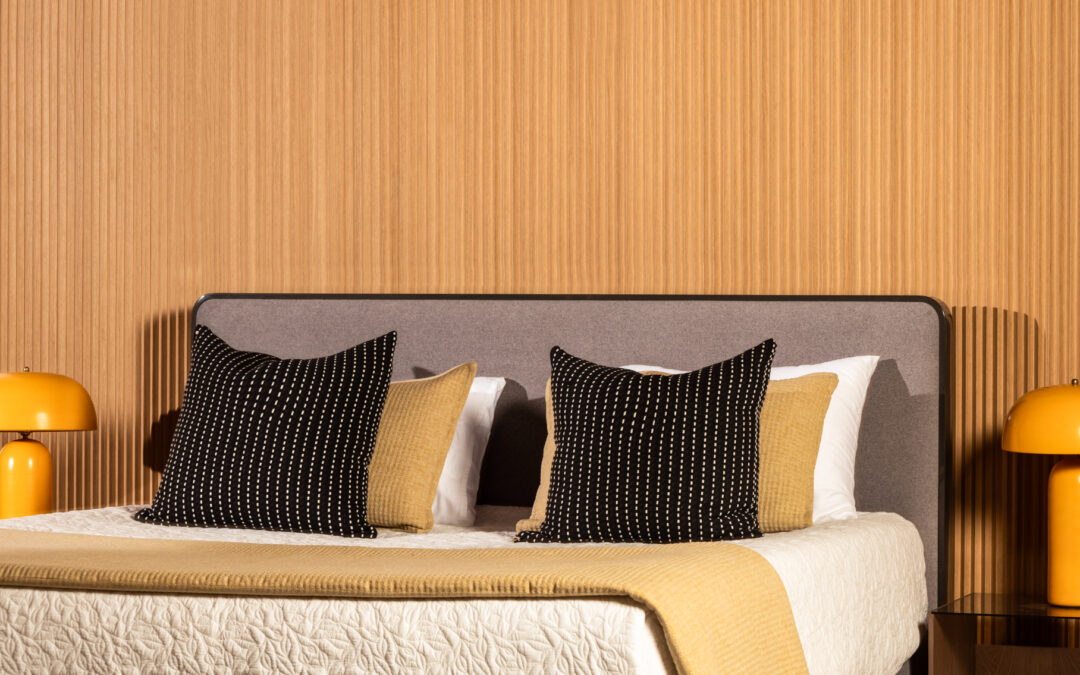
In the fast-evolving visual world of 2026, strong composition is what separates ordinary images from extraordinary ones. Whether you are shooting residential spaces, luxury hotels, or commercial properties, mastering interior photography composition techniques can dramatically improve your results.
Professional experts like Ravidal Singh emphasize that great interior photography is not just about expensive equipment—it’s about how you frame, balance, and structure every shot. In this guide, we’ll explore 10 powerful composition hacks that can elevate your interior photography and strengthen your design portfolio.
1. Follow the Rule of Thirds
One of the most effective composition principles in interior photography is the rule of thirds. Divide your frame into nine equal sections and position key design elements along the grid lines.
This technique creates natural balance and visual interest. In 2026, interior photography trends favor structured but organic compositions that guide the viewer’s eye smoothly.
2. Keep Vertical Lines Perfectly Straight
Nothing ruins interior photography faster than tilted walls or leaning furniture lines. Perspective correction is essential when shooting interiors.
Professionals like Ravidal Singh use tripods and advanced lenses to ensure straight verticals. In 2026, clean and distortion-free interior photography is a sign of professionalism.
3. Use Leading Lines to Guide Attention
Hallways, staircases, ceiling beams, and furniture alignment can act as leading lines in interior photography. These lines draw the viewer’s attention toward focal points such as artwork, windows, or statement furniture pieces.
Strong leading lines make interior photography feel immersive and intentional.
4. Frame Within a Frame
Doorways, mirrors, and windows can act as natural frames inside your composition. This technique adds depth and dimension to interior photography.
In 2026, layered compositions are trending because they create storytelling visuals that feel dynamic and realistic.
5. Balance Light and Shadow
Lighting plays a critical role in composition. Balanced exposure highlights textures and design features without overexposing windows or dark corners.
Professional interior photography combines natural daylight with artificial lighting to maintain depth and realism. Experts like Ravidal Singh carefully control light to enhance mood while keeping the space authentic.
6. Focus on Symmetry
Symmetry works exceptionally well in interior photography. Centered compositions with equal spacing on both sides create harmony and elegance.
Luxury interiors especially benefit from symmetrical framing. In 2026, clean and minimalist interiors are often captured using perfectly centered interior photography compositions.
7. Add Depth With Foreground Elements
Placing subtle elements like plants, chairs, or décor pieces in the foreground adds layers to interior photography. This creates a three-dimensional effect rather than a flat image.
Depth enhances realism and makes viewers feel connected to the space.
8. Highlight a Clear Focal Point
Every strong interior photography composition needs a focal point. It could be a designer sofa, a statement light fixture, or a textured wall.
Without a clear focal point, the image feels cluttered. Professionals like Ravidal Singh emphasize simplifying the frame to ensure the main design element stands out.
9. Avoid Overcrowding the Frame
Minimalism remains a strong trend in 2026. Remove unnecessary distractions before capturing interior photography shots.
Clean compositions with breathing space around furniture and décor elements create elegance and sophistication.
10. Shoot From the Right Height
Camera height significantly impacts interior photography composition. Shooting too high or too low can distort perspective.
Most professional interior photography is captured at chest height (around 4–5 feet) to maintain natural perspective. This angle presents rooms realistically while preserving spatial proportions.
2026 Interior Photography Composition Trends
As technology advances, interior photography composition styles continue to evolve. Key trends in 2026 include:
- Vertical-friendly framing for social media
- Ultra-HD 4K clarity
- AI-assisted perspective correction
- Natural and earthy color tones
- Balanced HDR exposures
- Lifestyle-focused compositions
Adapting to these trends ensures your interior photography remains modern and competitive.
Why Composition Matters for Your Brand
Great composition directly influences how clients perceive your work. Strong interior photography enhances:
- Portfolio presentation
- Website engagement
- Social media visibility
- Real estate marketing performance
- Brand authority
When designers collaborate with professionals like Ravidal Singh, they benefit from both technical precision and artistic composition expertise.
In 2026, interior photography is more than documentation—it is strategic branding.
Common Composition Mistakes to Avoid
To maintain professional interior photography quality, avoid:
- Crooked vertical lines
- Overexposed windows
- Cluttered foregrounds
- Poor lighting balance
- Lack of focal point
- Extreme wide-angle distortion
Correcting these mistakes instantly improves visual appeal and credibility.
Frequently Asked Questions (FAQ)
1. Why is composition important in interior photography?
Composition determines how viewers interpret and connect with a space. Strong interior photography composition enhances balance, depth, and storytelling.
2. Can beginners apply these composition hacks?
Yes. These interior photography techniques are practical and can be applied by beginners with proper practice and attention to detail.
3. What equipment helps improve composition?
Tripods, wide-angle lenses, grid overlays, and editing software help refine interior photography composition.
4. How does professional composition improve branding?
Well-composed interior photography builds credibility, increases engagement, and strengthens brand positioning.
5. Why follow experts like Ravidal Singh for guidance?
Professionals bring experience, creative insight, and technical expertise that elevate interior photography to a premium level.
Final Thoughts
Mastering composition is one of the most powerful ways to improve your interior photography results. From symmetry and leading lines to lighting balance and focal points, each technique contributes to a visually compelling image.
In 2026, strong interior photography defines online presence and professional credibility. By applying these composition hacks—or collaborating with experts like Ravidal Singh—you can create impactful visuals that elevate your brand, attract premium clients, and stand out in a competitive design industry.
Follow us on Instagram