Interior design is more competitive than ever in 2026. With social media platforms, digital portfolios, and real estate listings driving client decisions, interior photography has become a powerful marketing tool for every designer. High-quality images don’t just showcase your creativity—they build trust and influence buying decisions.
If you want your projects to stand out, these 10 interior photography tips will help you capture stunning spaces professionally. Many designers today also collaborate with experts like Ravidal Singh, known for delivering visually compelling interior photography that highlights design depth and detail.
1. Focus on Natural Light
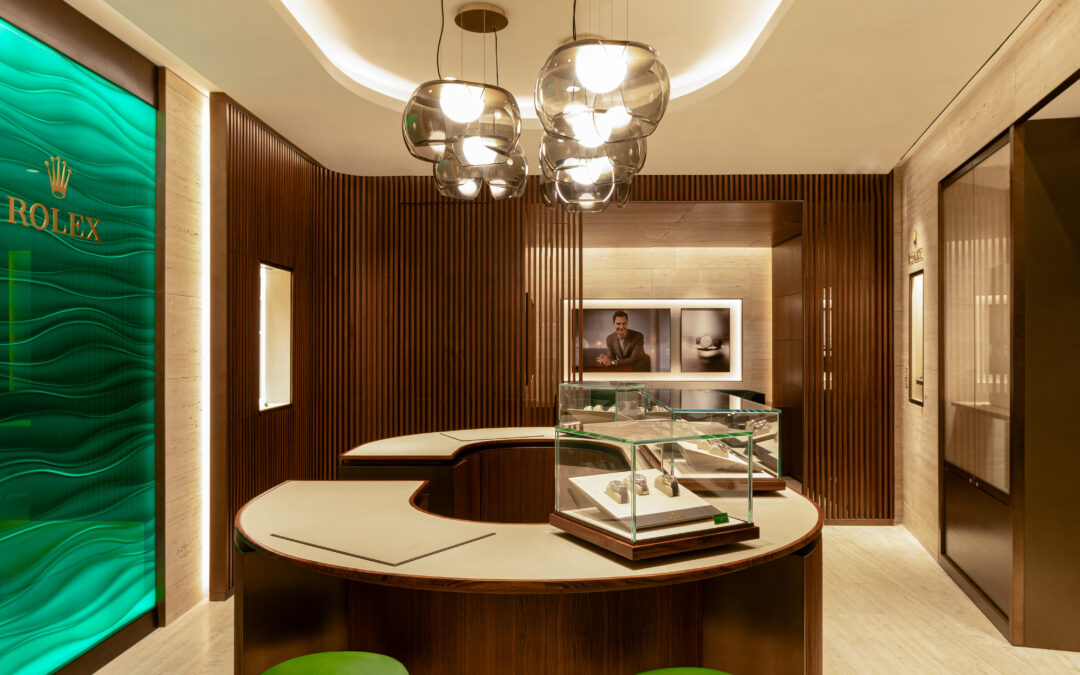
Lighting is the heart of interior photography. In 2026, natural lighting trends continue to dominate. Shoot during golden hours—early morning or late afternoon—for soft shadows and warm tones. Avoid harsh midday light to prevent overexposure.
Professional interior photography often combines natural and artificial lighting for balanced results.
2. Declutter Before You Shoot
Minimalism is still trending in 2026. Remove unnecessary objects, cables, or distractions. A clean and organized space enhances the quality of interior photography and keeps attention on the design elements.
3. Use a Tripod for Stability
Sharp images are essential. A tripod ensures stability, especially in low-light settings. Most professional interior photography experts, including Ravidal Singh, rely on tripods for crisp, distortion-free images.
4. Shoot from the Right Angles
Wide-angle shots help capture the entire room, but avoid extreme distortion. Eye-level shots create natural perspectives. In modern interior photography, balanced compositions matter more than dramatic angles.
5. Highlight Design Details
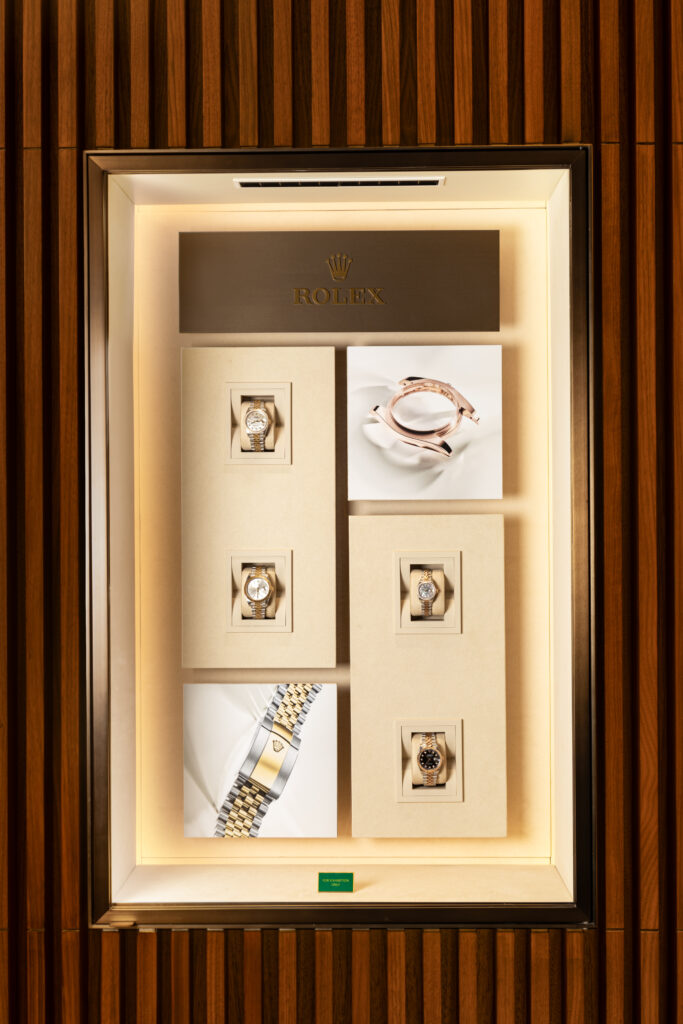
Close-up shots of textures, materials, and décor elements add storytelling value. Interior photography in 2026 emphasizes textures—marble grains, wooden finishes, metallic accents, and fabric patterns.
6. Maintain Vertical Lines
Keep walls and furniture lines straight. Tilted lines reduce professionalism. Use grid settings on your camera or editing tools to correct alignment in interior photography.
7. Invest in Professional Editing
Editing enhances colors, lighting, and clarity. However, avoid over-editing. Natural and realistic tones are trending in 2026 interior photography styles.
8. Stage the Space Thoughtfully
Add subtle styling elements like fresh flowers, cushions, or books. Good staging improves interior photography results significantly. Designers often collaborate with professionals like Ravidal Singh for expertly styled shoots.
9. Use High-Resolution Equipment
With 4K displays and ultra-HD screens becoming standard in 2026, high-resolution images are essential. Professional interior photography requires advanced cameras and lenses for premium output.
10. Work with a Professional Photographer
While DIY shoots are common, hiring an expert ensures consistent quality. Experienced professionals understand lighting, composition, and post-processing techniques that elevate interior photography. Collaborating with Ravidal Singh can help designers create a strong visual portfolio that attracts premium clients.
Why Interior Photography Matters in 2026
In today’s digital-first world, interior photography is more than documentation—it’s branding. High-quality visuals improve website SEO, social media engagement, and online visibility. Designers who invest in professional interior photography often see higher inquiry rates and stronger brand positioning.
With platforms like Instagram, Pinterest, and real estate portals prioritizing visual content, professional photography is no longer optional—it’s essential.
2026 Interior Photography Trends
- Natural and earthy tones
- Sustainable and eco-friendly design highlights
- Wide-format storytelling images
- AI-assisted editing tools
- HDR-balanced exposures
Interior photography continues to evolve, and staying updated with trends helps designers remain competitive.
Frequently Asked Questions (FAQ)
1. Why is interior photography important for designers in 2026?
Interior photography helps designers showcase their work professionally, attract clients, and build a strong online presence.
2. Can I do interior photography myself?
Yes, but professional interior photography delivers higher quality results. Experts like Ravidal Singh ensure optimal lighting, angles, and editing.
3. What equipment is best for interior photography?
Full-frame cameras, wide-angle lenses (16–35mm), tripods, and professional editing software are recommended.
4. How much does professional interior photography cost in 2026?
Costs vary depending on project size and location, but investing in quality photography brings long-term branding benefits.
5. How often should designers update their portfolio?
Designers should update their interior photography portfolio after every major project to stay competitive in 2026.
Final Thoughts
Mastering interior photography can transform how clients perceive your work. From lighting and staging to editing and professional collaboration, every detail matters. In 2026, designers who prioritize high-quality interior photography will stand out in a crowded market.
Whether you choose to improve your own skills or work with professionals like Ravidal Singh, investing in interior photography is one of the smartest decisions for long-term design success.
Follow us on Instagram